Travel Layers Without Overpacking: Assign Every Layer a Job
Choose travel layers by warmth, weather, movement, and storage so similar jackets do not consume your bag.
This article may contain affiliate links. If you buy through them, we may earn a commission at no extra cost to you. Our disclosure and editorial approach.
The practical suggestions in this article are original editorial planning advice, not findings from hands-on product testing.
Layering often becomes an excuse to pack every light jacket in the wardrobe. A cardigan, overshirt, blazer, and casual jacket may each feel sensible alone, yet compete for the same job once you are away. Start by separating the problems you need to solve: comfortable clothing against the skin, warmth when conditions cool, and protection from the weather. This article concerns ordinary leisure travel and city walking. Remote hikes, severe weather, and specialist activities need a different equipment plan and advice matched to the activity.
Separate warmth from weather protection
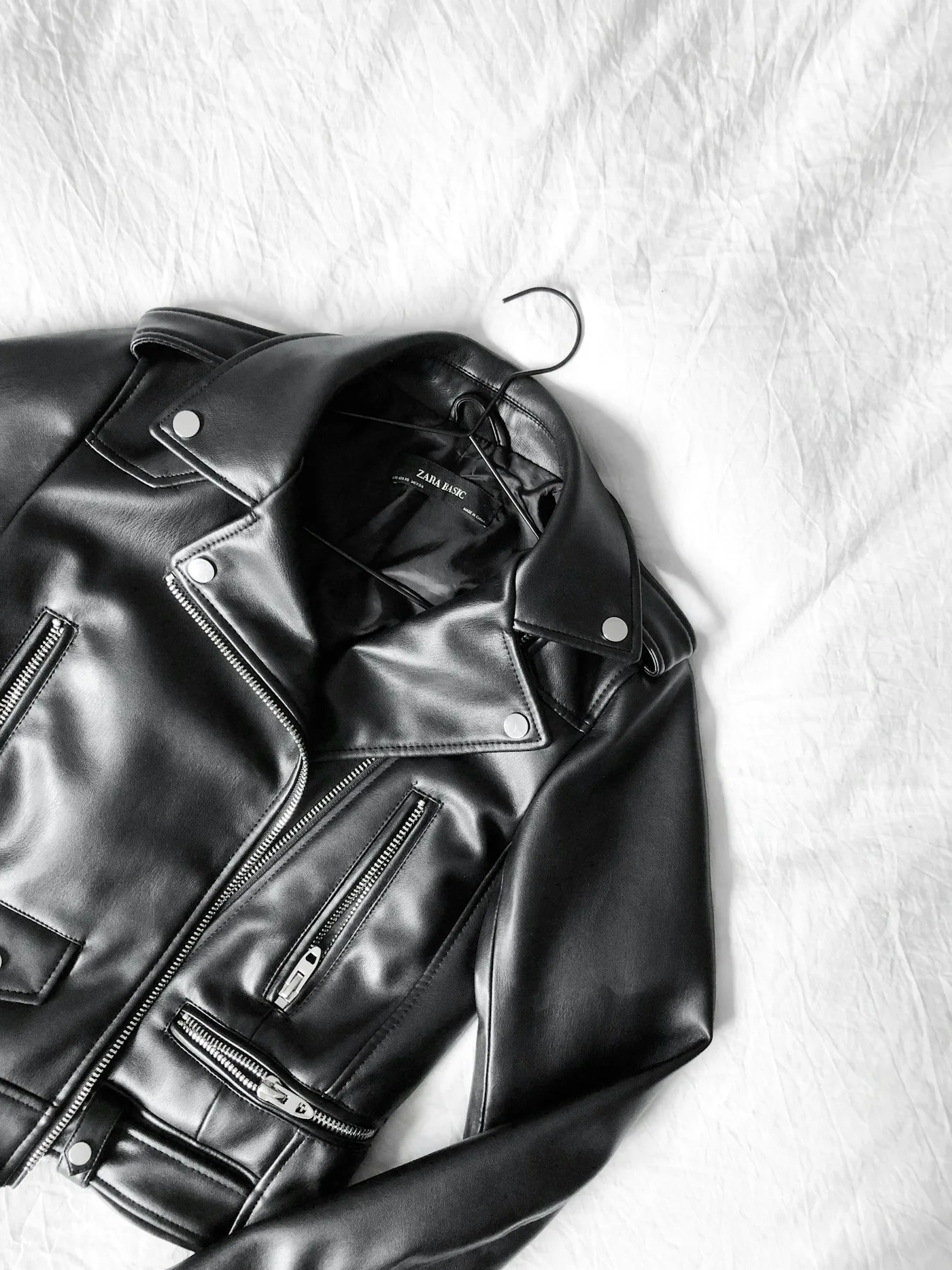
A warm knit is not automatically a useful rain layer, and a thin weather shell may offer little warmth on its own. List what each item contributes before deciding how many to bring. If two pieces both exist only for a cool restaurant, choose the one that works with more outfits and feels easier to carry. If your outer layer has specific performance claims, check the manufacturer's documentation and care instructions. Appearance alone cannot tell you whether a fabric provides the protection you expect during a wet afternoon.
Try the complete stack
Put the base top, warm layer, and outer layer on together. Zip or button everything, then reach forward, sit, and lift your bag. Check whether sleeves bunch at the elbows or whether the jacket feels tight across the upper back. A neat fit worn alone may become restrictive over a knit. Also consider length: a long shirt protruding below a short jacket can be perfectly fine, but repeated tugging is a sign the combination needs attention. Judge movement and comfort before deciding whether the proportions look right.
Plan the changes across a day
Imagine leaving the hotel in a cool morning, walking into warmer sunshine, and entering an indoor attraction. Which layer comes off first, and where does it go? A piece that folds neatly in the bag may be more useful than one that requires carrying over an arm for hours. Keep frequently removed items accessible rather than beneath souvenirs and lunch. If the weather varies widely, a small amount of deliberate overlap can make sense, but each extra piece should address a specific situation rather than a general fear of being unprepared.
| Layer role | Question to ask | Common compromise |
|---|---|---|
| Base | Is it comfortable alone and underneath? | A bulky neckline can complicate layering |
| Warmth | Can I remove and store it easily? | A very substantial knit uses more bag space |
| Weather | Does its documented function match the forecast? | Protection and breathability need balancing |
| Evening finish | Does another packed layer already do this? | A dedicated blazer adds another item |
Make fabric care part of the decision
Texture, drying time, and washing instructions can matter more on the road than the fibre name alone. Check the actual label and consider how you will manage accidental spills. A piece requiring specialist cleaning may still be worth taking for an important event, but it is less convenient as the only everyday layer. Avoid assuming that a fabric will resist odour, regulate temperature, or dry overnight without reliable product information. Your own familiar clothing is often easier to plan around because you already know its ordinary care routine.
Use accessories to solve narrow problems
A scarf can provide extra neck coverage and change an outfit, but it is not a substitute for an appropriate jacket when conditions demand one. A hat may need secure storage, and gloves are useful only if the expected weather and your preferences justify them. Lay accessories next to the clothing rather than treating them as weightless additions. Choose pieces that stay put during normal movement. An accessory that slips continuously, tangles with bag straps, or requires constant adjustment adds friction to a day that already involves navigating unfamiliar streets.
Shop with the outer layer in hand
If buying a warm layer, bring the jacket you intend to wear over it or check the combination at home before departure. Measure useful existing garments instead of relying exclusively on size names. Inspect closures for ease of use and check whether pockets remain accessible beneath your bag straps. Consider whether the layer belongs in everyday life after the trip. A purchase that only works for a hypothetical weather emergency is harder to justify than one that fills a recurring wardrobe need. Keep the receipt and packaging organized while making your decision.
Frequently asked questions
How many warm layers do I need? Begin with one that serves the expected conditions, then assess trip length, laundry, and activities. A second can make sense, but should have a reason beyond colour variety.
Should I wear the bulkiest piece while travelling? Only if that feels comfortable and you can manage it when you warm up. Wearing something does not remove its practical burden from the trip.
Is an overshirt a jacket replacement? Sometimes for a mild, dry day. Its usefulness depends on the fabric and conditions; do not infer weather protection from the garment category.
Review the forecast close to departure and replace unnecessary duplicates before zipping the bag. More outfit ideas live in our style archive. Clear roles make a small wardrobe more flexible than a pile of layers chosen for similar reasons.
About this guide
Original editorial planning advice from Helene’s In Between, based on practical scenarios rather than a product test. We do not claim hands-on product testing or a sponsored trip. Photos illustrate the topic and do not document a product test.
Suggestions are general editorial ideas. Adapt them to your home, itinerary and preferences.