How to Choose Shoes for a Rainy City Trip
Compare weather protection, fit, soles, drying needs, and outfit versatility before buying shoes for a wet-weather break.
This article may contain affiliate links. If you buy through them, we may earn a commission at no extra cost to you. Our disclosure and editorial approach.
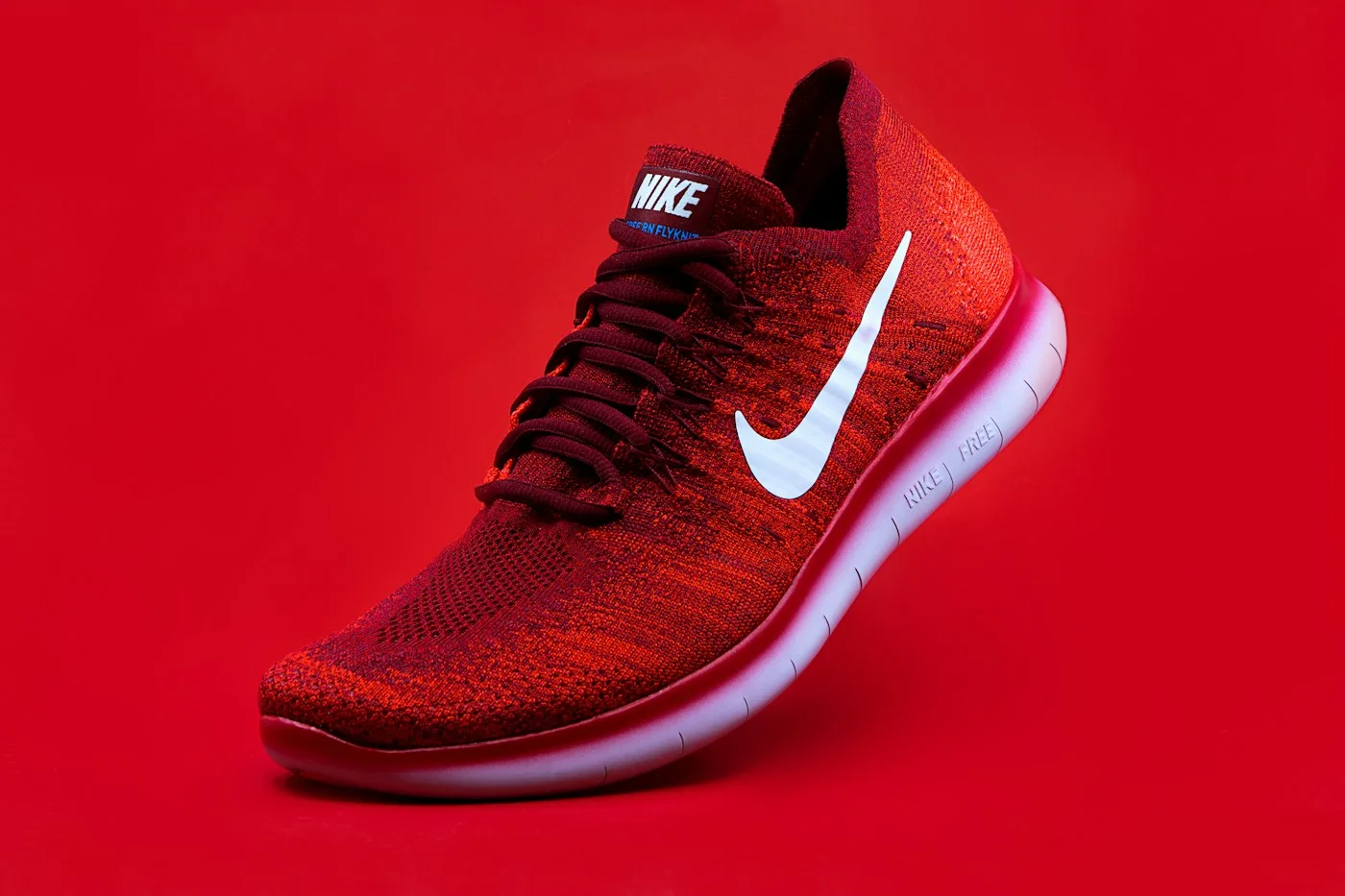
Rainy-trip shoes need to solve several jobs at once: walking on the surfaces you expect, fitting comfortably for your day, working with your clothes, and coping with moisture. Waterproof labeling is only part of that decision. A shoe that keeps out rain but fits poorly can still be the wrong purchase, while a comfortable familiar pair may work perfectly for light showers and mostly indoor plans.
Match the shoe to the route
Start with the actual itinerary. A museum weekend with short pavement walks differs from a trip involving muddy paths, steep streets, or long outdoor days. Identify the longest likely walking stretch, the surfaces, and how much time you will spend indoors. Also consider whether you can return to the room and whether there is space for shoes to dry overnight.
If the trip includes a specific outdoor trail, use that route's current guidance rather than choosing from a city-style checklist. For an ordinary urban break, look for familiar comfort, a secure fit, and an outsole designed for the conditions described by the manufacturer. No shoe should be treated as slip-proof. Wet stone, painted markings, leaves, and smooth floors still require care.
Read weather claims precisely
Water-resistant and waterproof are not interchangeable claims. Look at the exact product description, construction, care instructions, and any stated limitations. A waterproof upper does not prevent water entering over the collar. A low-cut shoe may be sensible for occasional showers but less useful if the route involves deep puddles or persistent rain.
Manufacturer care guidance also matters. Clarks, for example, publishes information for its waterproof footwear and separate cleaning guidance for different materials. Use instructions that match the pair you actually buy. A treatment intended for one material may be unsuitable for another, and a generic spray should not be assumed to turn an ordinary shoe into a fully waterproof one.
| Option | Useful scenario | Tradeoff to check |
|---|---|---|
| Familiar everyday sneaker | Mostly indoor plans and short light showers | May absorb moisture or dry slowly |
| Waterproof walking shoe | Repeated wet outdoor walking | Fit, warmth, and collar height still matter |
| Weather-ready ankle boot | Cooler trip with varied casual outfits | Weight and comfort over long distances |
| Second lightweight pair | Longer stay with room in the bag | Uses luggage space and adds weight |
Test fit before departure
Try shoes with the socks you intend to wear and enough time to return them under the seller's policy if they do not suit. Walk indoors as allowed by that policy and check toe space, heel movement, pressure from seams, and how the lacing holds your foot. A fashionable silhouette is not a reason to accept obvious discomfort.
Once you decide to keep them, use the shoes on ordinary outings before the trip. A brief try-on cannot tell you everything about a long travel day. Do not make the airport your first substantial wear. If you have specific foot needs or use prescribed orthotics, choose around those requirements and seek appropriate professional advice where needed rather than relying on a generic travel recommendation.
Think about socks and overnight drying
Bring enough socks to change when necessary and choose a material and thickness you find comfortable in the shoe. A spare pair in a small pouch can be useful during a wet day, but it cannot compensate for a shoe that remains saturated. If your itinerary includes repeated rain, consider whether you need a second pair or a different plan for drying the main pair.
Follow the manufacturer's care instructions. Clarks recommends natural air drying in its cleaning guidance. Do not assume placing shoes on a radiator or using strong direct heat is safe for their materials and adhesives. Open the shoe as directed, remove components only where permitted, and let air circulate. Keep damp shoes away from clean clothes in your bag.
Coordinate with your clothes without buying a whole wardrobe
Choose a pair that works with the bottoms and layers you already intend to pack. Try the full outfit at home, including the rain layer. Hem length matters: trousers that drag through puddles can remain uncomfortable even when shoes perform well. If a dinner requires a distinct dress code, decide whether it justifies a second pair or whether another suitable outfit solves the problem.
Dark colors may show some marks less clearly, but color does not establish weather performance. Smooth materials can be easier to wipe, yet each material has its own care needs. Prioritize the practical features you will use over an aesthetic category such as “travel shoe,” which can include very different products.
Compare purchases by the problem they solve
Before buying, write a short requirement list: expected rain exposure, acceptable weight, walking comfort, outfit compatibility, and care effort. Compare two or three pairs against that list. Read the current product specifications, size guidance, and return policy. Avoid paying extra for technology whose purpose you cannot connect to your itinerary.
If your existing shoes already meet the requirements, use them. If they fail only in persistent rain, a more suitable weather-ready pair may be a worthwhile addition. Buying an unfamiliar shoe immediately before departure carries its own uncertainty, so allow enough time to assess it. This guide offers selection criteria rather than tested product rankings or a claim that one model suits everyone.
Rainy-trip shoe questions
Are waterproof shoes always best? No. Consider how wet the trip is likely to be, how warm you run, the amount of walking, and the fit. Protection is useful only as part of a suitable overall shoe.
Can I waterproof any sneaker with spray? Do not assume so. Check the shoe and treatment manufacturers' instructions and the limits of their claims.
Should I bring boots and sneakers? Bring both when the itinerary and luggage space justify them. For a short casual weekend, one well-chosen familiar pair may be enough.
Care and specification sources
Read Clarks' shoe-cleaning guidance and its waterproof footwear information, then consult instructions for your exact product. Checked October 10, 2026. See more packing and buying guides.
About this guide
Prepared by the Helene’s In Between editorial team using published information and scenario-based recommendations. We do not claim hands-on product testing or a sponsored trip. Photos illustrate the topic and do not document a product test.
Linked source information checked October 10, 2026. Confirm current opening times, availability, prices and retailer policies before making plans.